What the gusset does
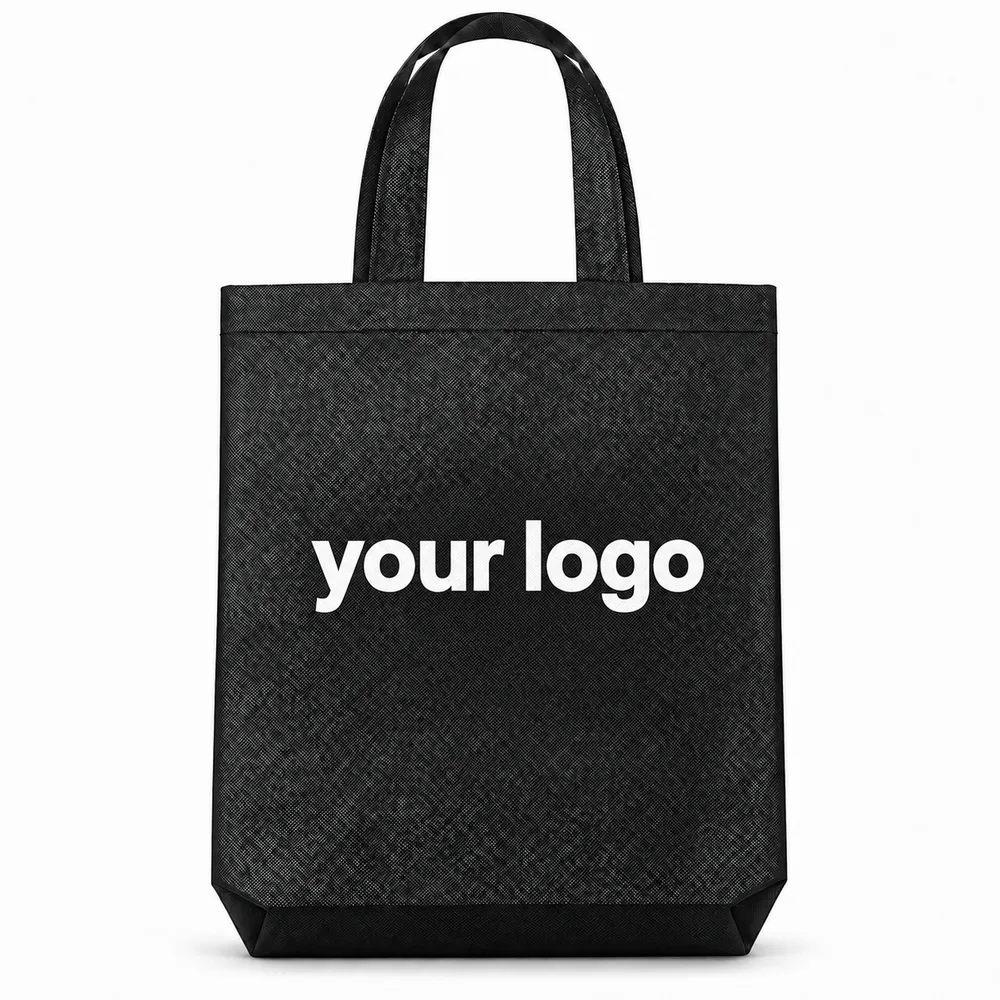
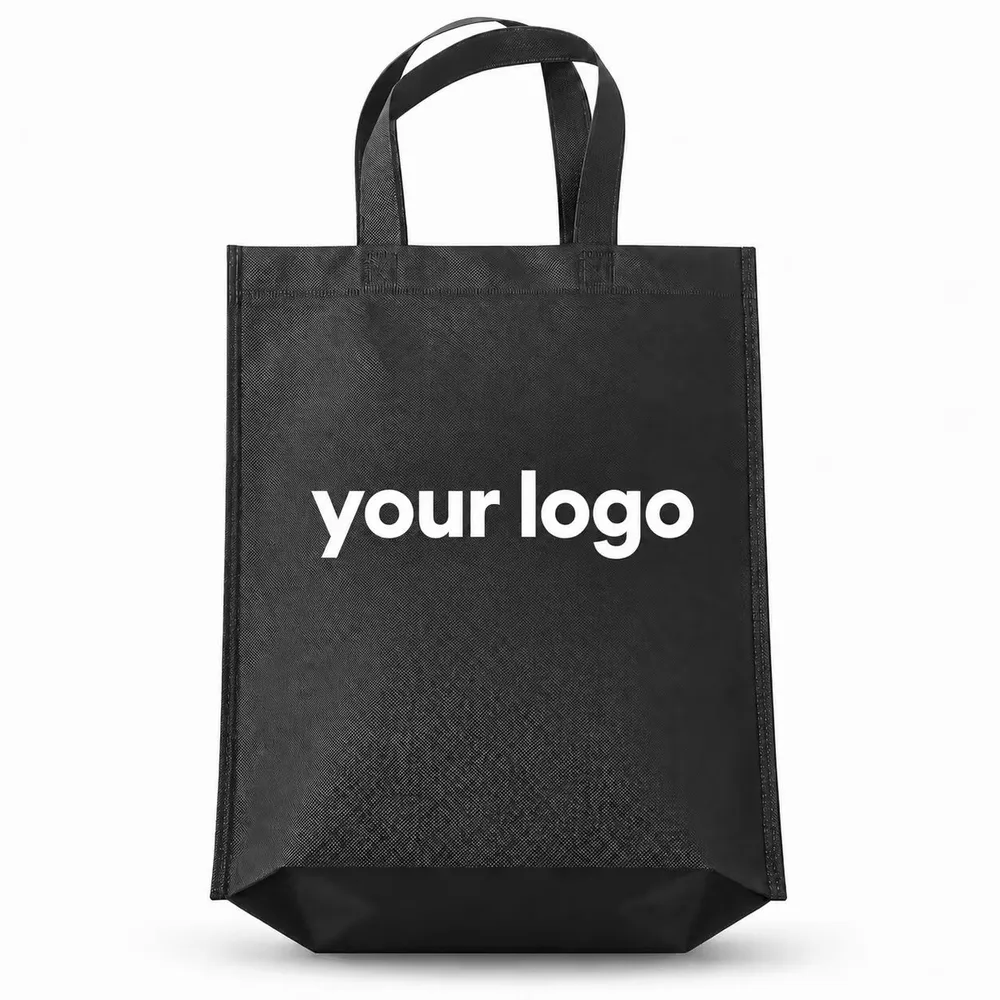
The gusset is the base panel between the front and the back. Once it is sewn in, the bottom of the bag has depth, so a loaded bag keeps its shape instead of folding into a V. Our reference size is 40 x 35 cm with a 12 cm gusset, a common size for grocery and gift bags.
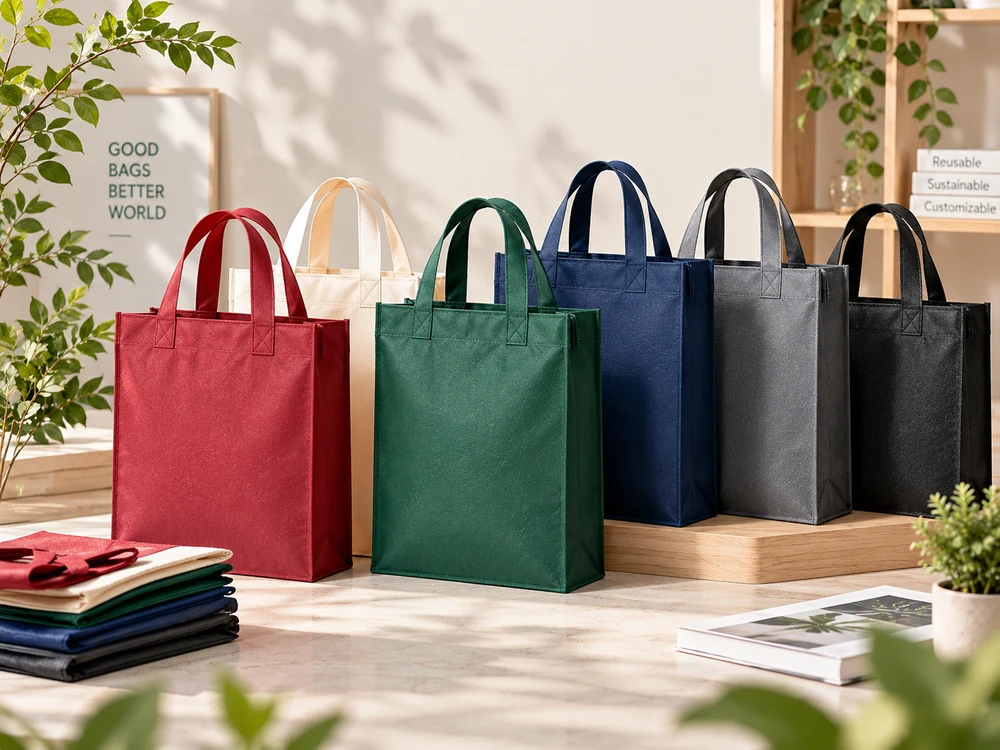
The base can carry a print too, which is useful for a second logo or a store address. For bags that will be reused often, choose 100 or 120 gsm non-woven or the laminated fabric.
Three ways to build a gusseted tote
- Bottom gusset, sewn: a separate base strip stitched in. Any size, the sturdiest of the three.
- Corner-sewn base: the bag starts flat and its two bottom corners are stitched across. Fewer pieces, a similar look.
- Heat-sealed gusset: seams welded by ultrasonic heat, with no thread. Quick to make in volume, from 27 cm wide, for lighter loads.
How it compares with flat, box and trimmed bags
Against the custom flat tote bags, the gusseted tote holds more and stands up, at a slightly higher price because it uses more fabric and one more seam. Against the box tote bags, it has a softer outline: the box tote is folded from one piece into a crisp square shape that looks better on a shelf.
If the bag must carry heavy or bulky shopping every day, the bound edge tote with side panels has bound seams that are stronger at the edges. For most stores and events, the gusseted tote is the balanced choice between price and capacity.
Where custom gusseted tote bags work well
- Works well for: supermarkets, gift shops, food stores and any bag people will fill with shopping.
- Another style is better for: flat paper-only giveaways, which cost less as flat totes, and shelf display bags, which look sharper as box totes.